
Dal Baati Churma — The Royal Desert Meal: History, Ingredients, Recipe & Best Places in Jaipur
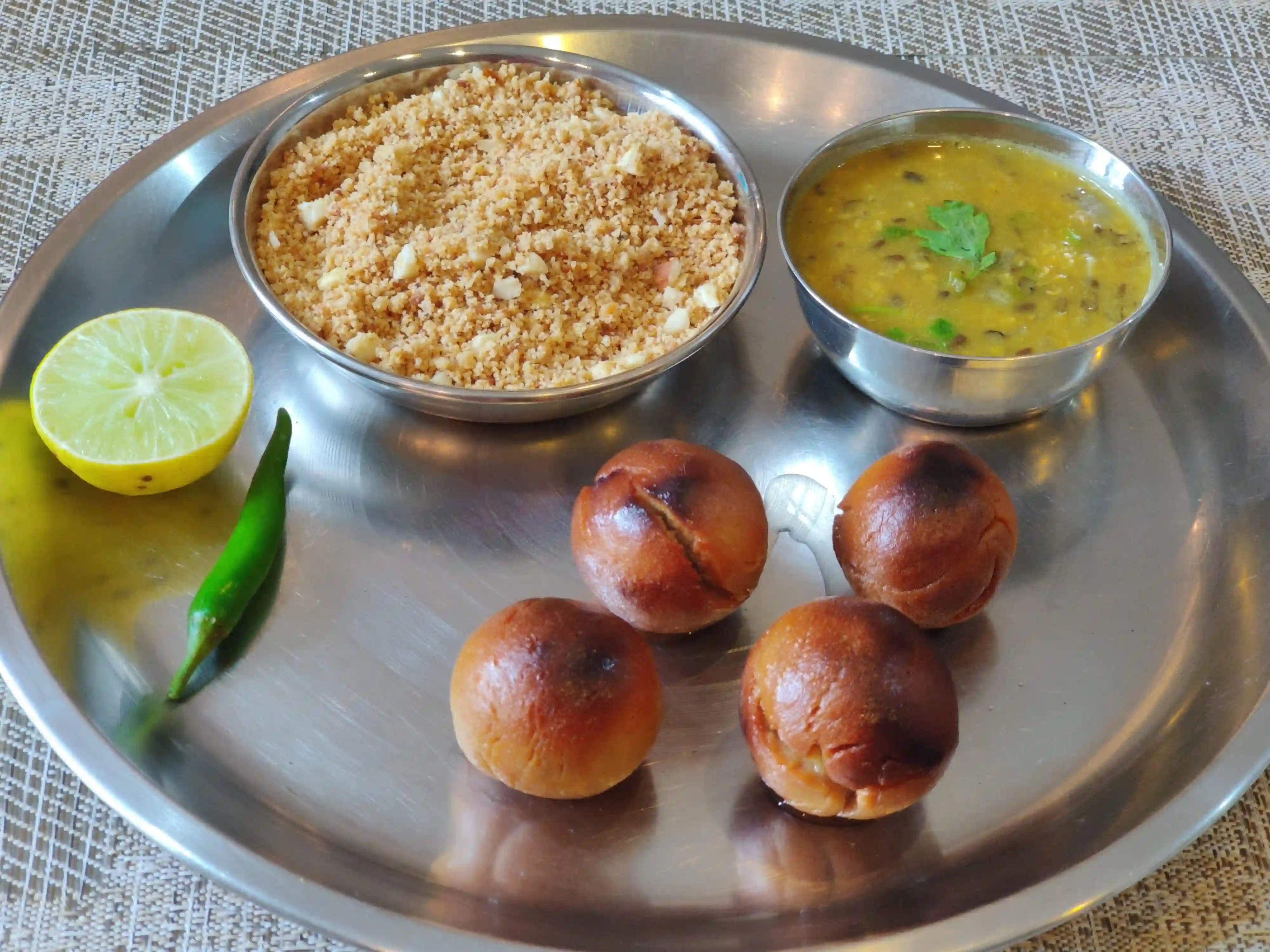
Dal Baati Churma is the heartbeat of Rajasthani food — sturdy, warming and deeply comforting. It began as survival food in the desert and grew into a royal favourite served at weddings, festivals and family tables across Jaipur. This long-form guide explains how Dal Baati Churma was invented, why it suits Rajasthan’s climate, ingredient benefits, an easy home-friendly recipe (oven & air-fryer), where to taste the best plates in Jaipur, helpful tips and an extended FAQ. Written in simple English with a light Hindi flavour so everyone can follow.
Note: This article uses easy English and common Hindi words (ghee, tadka, baati) so non-fluent readers can enjoy the story.
From Battlefield to Banquet — A Short History
The origin of Dal Baati Churma is as practical as it is poetic. Centuries ago, Rajasthan’s warriors and travellers needed food that kept well, gave energy, and could be cooked simply with the sun and sand. Whole wheat dough balls — later called baati — were shaped and buried in hot sand to bake slowly. They didn’t need pots, pans, or continuous attention. After long marches, baatis were cracked open and dipped in ghee — a rich, portable fat that soldiers also carried. When a baati accidentally broke and crumbs mixed with ghee and jaggery, the result was churma — a sweet surprise born from thrift.
Dal (lentil curry) joined the trio later, as villages and royal kitchens added cooked lentils to make the meal more balanced and flavourful. Over time, what began as a survival recipe became a celebratory thali — served at weddings, festivals like Teej and Diwali, and in homes that wanted to show abundant hospitality. In Jaipur, Dal Baati Churma is both nostalgia and ceremony: a link to desert life and to royal feasts.
Today, the dish is not just food; it’s a ritual. Making baati, breaking it with family, pouring ghee carefully, and finishing with churma — all these actions are part of memory-making.
Why Dal Baati Churma Works Perfectly in the Desert
Rajasthan’s climate is extreme: long dry spells, hot winds, and limited water. The dish evolved to match that environment:
- Long shelf life: Baati stays dry and does not spoil easily — perfect for travel.
- Energy-dense: Baati (wheat) + churma (ghee + jaggery) give quick and sustained energy.
- Good fats: Desi ghee is calorically rich and helps the body cope with heat and physical work.
- Simple cooking: The original methods used minimal water and no continuous fuel — a must in resource-scarce landscapes.
- Balanced nutrition: Dal provides plant protein to pair with carbs and fats from baati and ghee.
Ingredients — What Makes Each Component Special
➡ Dal (Lentil Curry)
Ingredients: Toor dal, moong dal (or a mix), turmeric, salt, desi ghee, cumin (jeera), garlic (optional), asafoetida (hing), red chilli.
Why it matters: Provides protein and warmth; tadka in ghee adds aroma and depth of flavour.
➡ Baati (Baked Wheat Balls)
Ingredients: Whole wheat atta, salt, a little ghee in the dough, optional ajwain (carom seeds) for digestion.
Why it matters: Dense, slow-release energy; long shelf life and comforting texture when dipped in ghee.
➡ Churma (Sweet Crumble)
Ingredients: Crushed baati, ghee, jaggery or sugar, chopped dry fruits (almonds, cashews), cardamom.
Why it matters: Sweet finish that balances spicy dal; jaggery adds minerals and warmth.
Is Dal Baati Churma Healthy?
Festival food isn’t a daily diet — but Dal Baati Churma has real nutritional benefits when eaten in moderation:
- Energy & endurance: Baati and churma provide both quick and sustained energy — useful for heavy work.
- Protein: Dal supplies necessary plant protein for muscle repair and immunity.
- Healthy fats: Desi ghee contains fat-soluble vitamins and may support joint lubrication; used in moderation it’s a wholesome fat.
- Digestive helpers: Ajwain and hing are traditional digestive aids used in the recipe.
If you want a lighter version: use less ghee, opt for air-fried or smaller baatis, and prefer jaggery over sugar for the churma.
How to Make Dal Baati Churma — Detailed, Home-Friendly
Below is a practical, testable method that works in an oven or air-fryer. I’ve included tips for getting soft-inside, crisp-outside baatis and flavourful dal and churma.
Step 1 — Making Baati (Oven / Air-fryer)
Ingredients: 3 cups whole wheat atta, 4 tbsp ghee (3 tbsp in dough, 1 tbsp brush), 1 tsp ajwain, 1 tsp salt, water as needed.
- Knead a stiff dough: mix atta, salt, ajwain and 3 tbsp melted ghee. Add little water and form a tight dough — not soft like rotis, slightly firm.
- Rest 10–15 minutes, then divide into medium balls (about golf-ball size or slightly larger).
- Oven method: Preheat 200°C. Place baatis on a tray and bake 25–30 minutes, turning once for even colour. They should be light golden and crack slightly.
- Air-fryer method: 180–190°C for 18–22 minutes, shake/turn midway. Timing depends on model.
- Immediately dip hot baatis in melted ghee (or brush) and keep covered for a few minutes — this steams the inside and keeps them soft.
Pro tips: If baati looks too hard, wrap in a damp clean cloth for 5 minutes after dipping in ghee — it softens.
Step 2 — Making Dal (Comforting, Ghee-Tadka)
Ingredients: 1 cup toor dal, 1/2 cup moong dal (optional), 1/2 tsp turmeric, salt, 3–4 tbsp ghee, 1 tsp cumin seeds, 3–4 cloves garlic (optional), pinch hing, red chilli powder to taste, chopped coriander.
- Wash dal and pressure-cook with water and turmeric for 3–4 whistles or until soft and mashed. You can use only toor dal if you prefer classic taste.
- Heat ghee in a tadka pan. Add jeera, hing, and sliced garlic; fry briefly until golden. Add red chilli for colour and aroma.
- Pour tadka into cooked dal, add salt, and simmer 5–8 minutes. Adjust thickness — dal can be slightly runny for easy scooping with baati, or thicker depending on preference.
- Finish with fresh chopped coriander and a small dollop of ghee for serving.
Step 3 — Making Churma (Sweet Crumble)
Ingredients: 2–3 baatis (crumbled), 3–4 tbsp ghee, 3–4 tbsp jaggery (adjust), chopped almonds/cashews, a pinch of cardamom.
- Break cooled baatis into smaller pieces and grind or crush coarsely (traditional churma is slightly grainy, not smooth).
- Warm ghee in a pan, add crushed baati, stir well. Add jaggery (or sugar) and mix until combined. Add chopped dry fruits and cardamom.
- Serve churma at room temperature as dessert after dal + baati, or pack as part of a festive box.
Serving suggestion: Break baati on a plate, pour warm dal and an extra spoon of ghee, eat with churma at the end. A glass of chaas (buttermilk) helps digestion.
Best Places to Eat Dal Baati Churma in Jaipur
Jaipur has many spots where the dish is celebrated. Here are reliable places where locals and visitors enjoy authentic Dal Baati Churma:
Laxmi Mishtan Bhandar (LMB)
Royal presentation with smooth churma and rich ghee. A Jaipur institution.
Rawat Misthan Bhandar
Home-style baati and filling dal. Popular with families and tourists alike.
Chokhi Dhani
Village-themed experience — abundant thali with wonderful rustic flavours.
Santosh Bhojanalaya
Local favorite for a no-frills, authentic plate.
Tip: Monsoon and winter months are the best time to enjoy heavy ghee dishes in Jaipur — they feel comforting and seasonal.
Tips, Tricks and Delicious Variations
- Soft-inside trick: Brush baati with ghee and rest covered for 5 minutes to steam and soften the core.
- Healthier baati: Bake smaller baatis, use less ghee or skip the external dip for everyday meals.
- Mawa baati: For weddings, try adding mawa (khoya) and dry fruits into churma or make a mawa-stuffed baati.
- Regional touches: Some cooks add a pinch of nutmeg or mace to churma for an aromatic note.
- Make-ahead: Baatis store for 3–4 days at room temperature in an airtight box; churma keeps well for a week refrigerated.
FAQs — Dal Baati Churma (Detailed)
Is Dal Baati Churma vegetarian?
Yes — traditionally completely vegetarian. Ghee is used, so it’s not vegan unless ghee is replaced.
How long do baatis stay fresh?
At room temperature in an airtight container, plain baatis last 3–4 days. If topped with rabri or wet toppings, consume the same day.
Can I make baati without ghee?
Ghee helps the texture and flavour. For a lower-fat version, use minimal oil in dough and avoid dipping in ghee — but it will change the classic taste.
Is churma the same everywhere?
Churma varies: some regions prefer jaggery, some sugar; texture can be coarse or smooth. Spices like cardamom and dry fruits are common additions.
What dal mix is best?
Toor + moong mix is classic. Chana dal adds thickness. Use what you prefer — the tadka in ghee is the flavour driver.
Can diabetics eat churma?
Churma is sugar-rich; diabetics should avoid or use controlled portions and prefer jaggery if allowed by their health plan.
Does baati need to be baked or can it be cooked in sand like before?
Traditionally, baatis were baked in hot sand or over wood fires. At home, ovens or air-fryers are practical and safe replacements.