
Ker Sangri — Rajasthan’s Desert Superfood: History, Ingredients, Recipe, Benefits & Where to Try
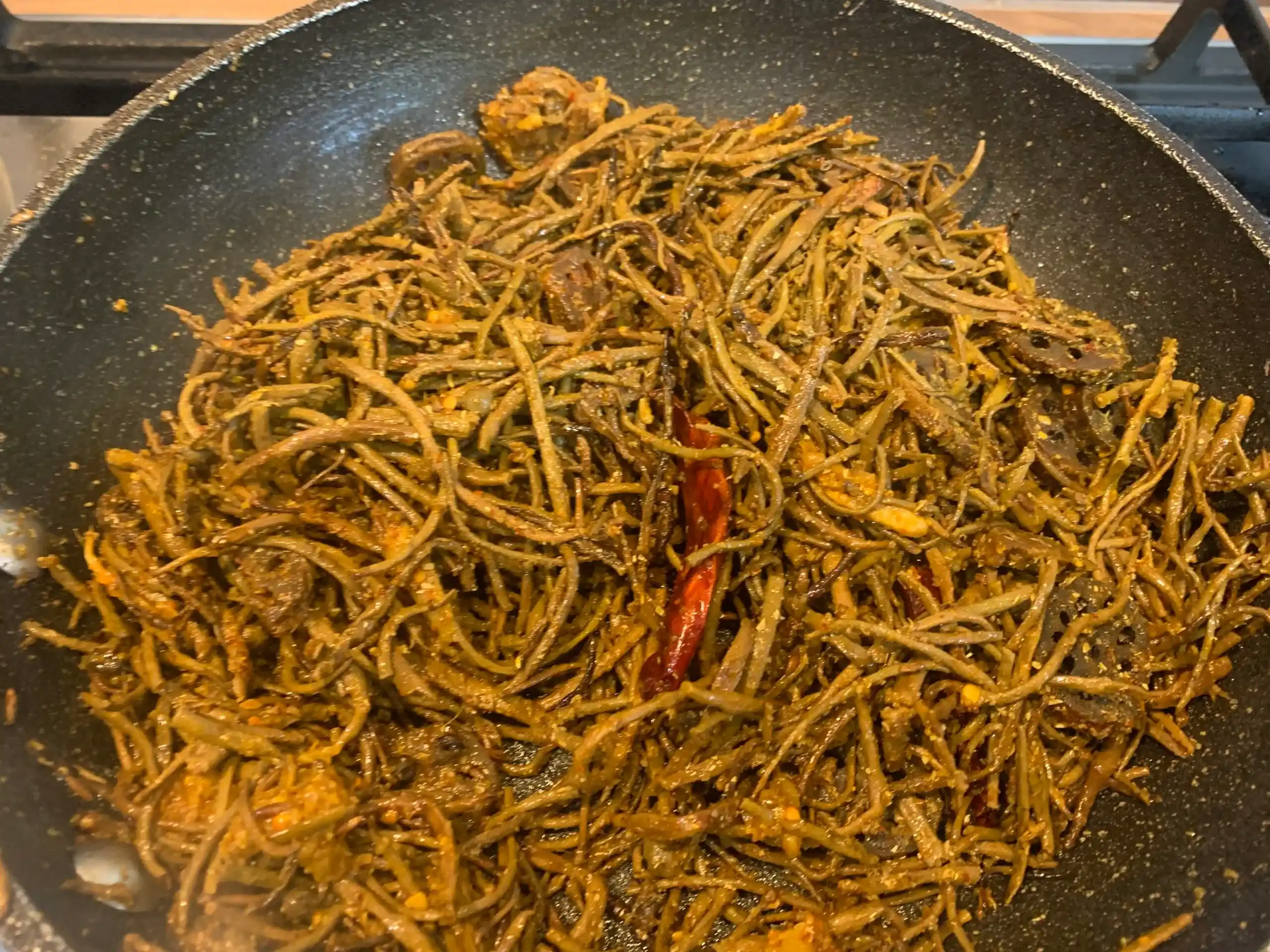
Ker Sangri is one of Rajasthan’s most unique dishes — a true desert survival recipe. Made with ker (wild berries) and sangri (dried beans), it was born out of scarcity and became a superfood over centuries. Rich in nutrition, long-lasting without refrigeration, and bursting with tangy, spicy, earthy flavours — Ker Sangri is now a proud symbol of Marwar & Shekhawati cuisine.
Written in easy English with a touch of Hindi (like tadka, achar, sukhi sabzi) so everyone can enjoy the story.
The Origin of Ker Sangri — A Dish Born From Survival
Rajasthan’s desert regions — especially Jaisalmer, Bikaner and Barmer — receive extremely low rainfall. Fresh vegetables were almost impossible to grow. People depended on whatever the desert naturally offered.
Ker — small wild berries — and Sangri — long beans from the khejri tree — grow even in extreme heat with almost no water. Locals dried these ingredients so they could last months without spoilage.
During times of drought or long travel, families cooked ker sangri with basic spices, oil, and dried curd or buttermilk. Over time, the “survival food” became a delicious delicacy served in royal kitchens too.
Why Ker Sangri Is Perfect for Rajasthan’s Desert Climate
- Long shelf life: Dried ker and sangri stay fresh for months.
- Low water cooking: You need very little water to cook this sabzi.
- High energy food: Sangri provides protein, ker provides antioxidants.
- Travel-friendly: Used by travellers & camel caravans in the past.
- Zero waste: Both ingredients grow naturally without farming.
This is why Ker Sangri is still considered Rajasthan’s “desert superfood”.
Ingredients — What Goes Into Ker Sangri
➡ Core Ingredients
Ker (wild berries) — tangy, earthy, slightly bitter.
Sangri (dried beans) — protein-rich and chewy.
➡ For Cooking
Mustard oil, curd or buttermilk, red chilli, haldi, coriander, jeera, fennel, salt.
➡ Optional Enhancers
Achar masala: Gives authentic Marwari taste.
Kishmish: Sweetness to balance tang.
Cashews: Adds richness for festive version.
Health Benefits — Why Ker Sangri Is a Superfood
- High in protein: Sangri supports muscle strength in vegetarian diets.
- Rich in antioxidants: Ker improves gut health and immunity.
- High fiber: Helps digestion and keeps the stomach full longer.
- Low calorie, high nutrition: Perfect for balanced meals.
- Natural detox food: Traditionally eaten during fasts.
This sabzi is heavy but nutritious — pair with bajra roti or paratha for a complete meal.
How to Cook Ker Sangri — A Simple Home Recipe
Ker Sangri looks tricky but is actually simple once you understand soaking and tadka timing.
Step 1 — Soaking
- Wash ker & sangri 3–4 times to remove dust.
- Soak overnight OR boil for 10–15 minutes till soft.
- Drain water completely.
Step 2 — Cooking
- Heat mustard oil till smoking.
- Add jeera, fennel, hing, dried red chilli.
- Add ker & sangri, sauté for 3–4 minutes.
- Add haldi, red chilli, coriander powder, salt.
- Add 2–3 spoons of curd/buttermilk and mix.
- Cook till oil separates and sabzi becomes glossy.
Step 3 — Flavor Boost (Optional)
- Add achar masala (Rajasthani pickle spice).
- Add kishmish & cashews for festive style.
Serve with: Bajra roti, paratha, or small ghee rotis. Storage: Stays fresh 2–3 days without fridge — traditional desert advantage!
Where to Eat Ker Sangri in Jaipur
These places are known for authentic Marwari-style Ker Sangri:
Thali & More
Balanced spices, mild tang — great for first-timers.
Santosh Bhojanalaya
Home-style, rustic taste, slightly spicy.
Chokhi Dhani
Traditional feast thali with classic Ker Sangri and bajra roti.
Local Marwari Dhabas
Earthy, spicy, cooked in mustard oil — closest to village-style.
Tips to Get the Perfect Ker Sangri at Home
- Soak properly — hardness means it needs more soaking time.
- Use mustard oil for authentic flavor.
- Add curd slowly to avoid curdling.
- Achar masala lifts the entire flavour profile.
- For milder taste: reduce chilli and add a pinch of sugar.
FAQs — Ker Sangri
Is Ker Sangri vegetarian?
Yes — 100% vegetarian and typically cooked with ghee or mustard oil.
Why does Ker taste bitter sometimes?
Natural ker berries have slight bitterness — proper soaking removes most of it.
Can I cook Ker Sangri without mustard oil?
Yes, but mustard oil gives the true Marwari flavour. Other oils change the taste.
How long can Ker Sangri last?
Dry ker & sangri last months. Cooked sabzi stays good 2–3 days without fridge.
Can I add potatoes or peas?
Yes, some modern recipes add aloo — but the traditional dish is pure ker + sangri.